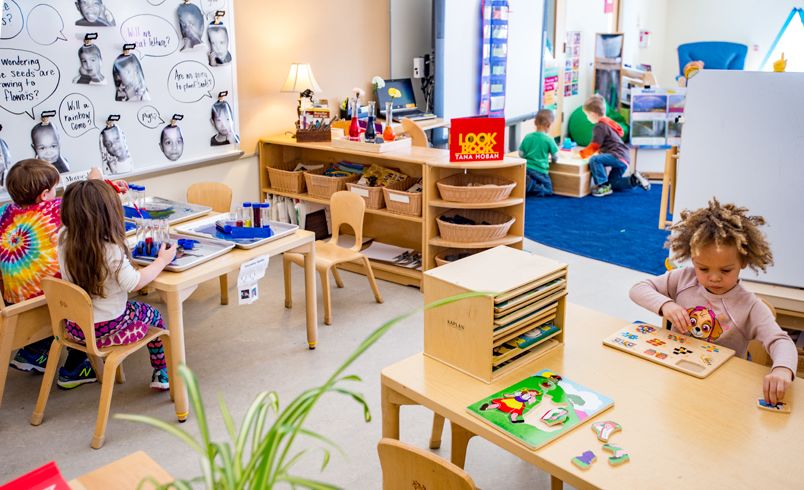
Choosing an early learning centre means more than just comparing locations and daily fees. Families need a setting that supports language, movement, social skills, confidence, and early academic growth through a consistent routine. The best centres combine qualified educators, safe spaces, meaningful play, and clear communication with families. They also recognise that children develop at different rates and need room to explore. Several practical standards help families assess whether a centre meets their child’s needs.
Educators Who Know Each Child
The quality of an early learning centre is heavily influenced by its educators. Skilled teachers observe children closely, understand their interests, and adjust activities to support individual progress.
Families researching South Melbourne childcare should ask how educators communicate with children throughout the day. Respectful conversations help children develop vocabulary, confidence, and emotional awareness. Educators should also explain routines clearly, guide behaviour calmly, and give children enough time to complete tasks independently.
Consistent relationships matter because young children learn best when they feel secure with familiar adults. A stable teaching team helps children settle into routines and gives families a clearer picture of their child’s development.
A Curriculum Built Around Development
A high-quality early learning centre uses play as a serious method of learning. Children practise language, counting, problem-solving, coordination, and cooperation as they build, create, move, and pretend.
Structured activities give children clear learning goals, while open-ended play lets them make choices and test ideas. A balanced day might include story time, creative work, outdoor activity, music, and quiet reading. Each experience should match the children’s ages and current abilities.
Early literacy deserves close attention. Educators can build vocabulary through conversations, rhymes, songs, picture books, and questions that encourage children to explain their thinking. These interactions prepare children for reading and writing without turning early education into formal classroom work.
Safe Spaces That Encourage Exploration
The physical environment should support movement, curiosity, and rest. Classrooms need age-appropriate toys, books, art materials, and areas where children can work alone or with others.
Outdoor spaces should allow children to run, climb, dig, and investigate nature. These activities strengthen balance, coordination, physical control, and confidence. A garden, sandpit, or climbing structure gives children practical ways to explore cause and effect.
Safety requires more than locked gates and clean surfaces. Staff need active supervision, clear procedures, secure entry points, and regular equipment checks. Quiet areas also matter because children need places to pause when they feel tired or overstimulated.
A Kindergarten Programme With Clear Purpose
The kindergarten years prepare children for the social and learning demands of school. A strong programme builds early literacy, numeracy, communication, independence, and group participation through hands-on experiences.
Children can explore numbers during games, measure materials during construction, and investigate nature through simple observations. Creative activities support planning, hand control, imagination, and communication. Educators should connect these experiences to children’s questions rather than rely on worksheets alone.
A useful kindergarten programme also supports emotional readiness. Children practise listening, taking turns, following instructions, asking for help, and resolving disagreements. These skills influence how confidently children participate in a school classroom.
Communication With Families
Families should receive regular, useful information about their child’s day. Brief updates can explain meals, rest, activities, friendships, and emerging interests.
More detailed conversations should address development and wellbeing. Educators can share examples of new skills, explain areas that need practice, and suggest simple activities for home. Families also bring valuable information about routines, preferences, culture, and recent changes.
Open communication creates consistency between home and the centre. It helps educators respond to children’s needs and allows families to make informed decisions about care.
What Families Should Check During a Visit
A centre visit should include more than a quick look at the classrooms. Families should observe how educators speak with children, whether children have meaningful choices, and how staff manage transitions.
Questions should cover daily routines, outdoor time, group sizes, staff qualifications, meals, rest arrangements, illness procedures, and communication methods. Families should also ask how the centre supports children who need extra time with separation, toileting, language, or social interaction.
The atmosphere matters, but practical details matter just as much. A well-organised centre clearly explains its policies and provides specific answers, rather than relying on general promises.
Conclusion
The best early learning centre gives children a safe routine, responsive educators, purposeful play, and room to develop at an individual pace. Families can assess these qualities by reviewing the curriculum, observing the learning spaces, and asking direct questions during a visit. A useful next step is to schedule tours at two or three nearby centres, compare their daily practices, and note which setting makes your child feel comfortable, curious, and ready to participate.